How Long Does an Asphalt Shingle Roof Actually Last?
October 9, 2026
QUICK ANSWER: Most asphalt shingle roofs last about 15 to 20 years for older three tab shingles and about 20 to 30 years for architectural shingles, but the number on the package is a ceiling, not a promise. Attic ventilation, installation quality, roof pitch and sun exposure, storm history, and tree cover all move the real result up or down. In western Kentucky and middle Tennessee, hail, heat, heavy spring rain, and winter freeze and thaw cycles shorten the range for roofs that are not maintained. A yearly look from a roofer is the best way to know where your own roof sits.
Ask ten roofers how long a shingle roof lasts and you will hear ten different numbers. Ask a homeowner whose roof is eleven years old and already leaking, and you will hear a different answer again. Both can be right, because a shingle roof is not a single product with a single lifespan. It is a system of shingles, underlayment, flashing, decking, and attic airflow, and it lives or dies by how well those parts work together under the weather it actually faces.
We have replaced roofs across Hopkinsville, Clarksville, Oak Grove, Cadiz, and the rest of this corner of Kentucky and Tennessee for more than 15 years. We have torn off roofs that were worn out at 14 and walked away from roofs that were still sound at 28. The difference was almost never luck. This article explains what drives that gap so you can read your own roof with a clearer eye.
The Honest Range for Asphalt Shingles
Asphalt shingles come in three broad grades, and each has its own realistic window.
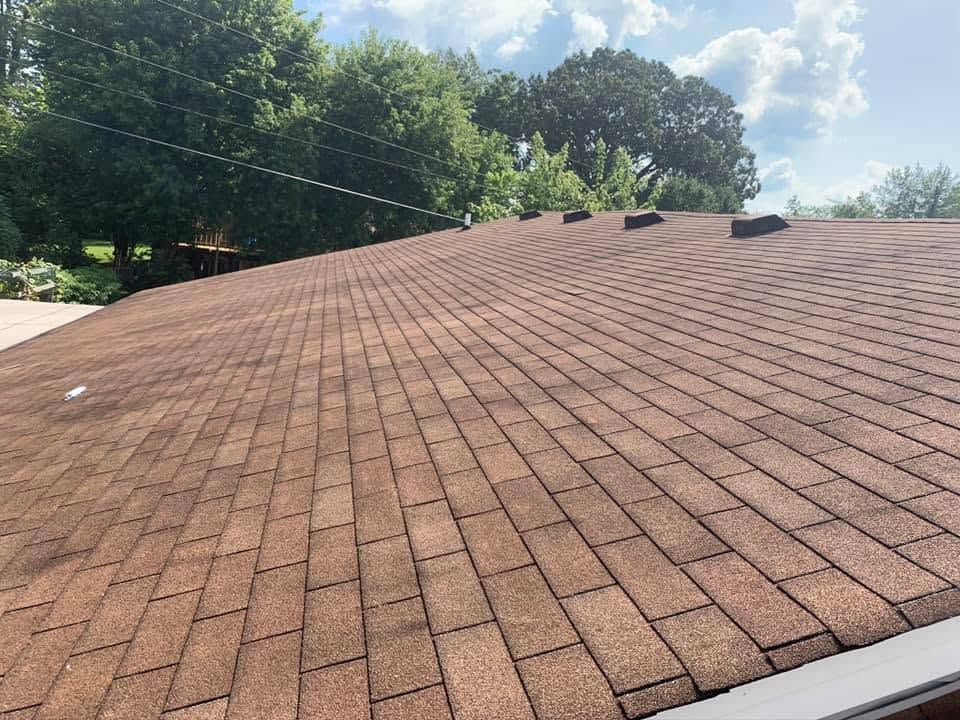
Three tab shingles are the thinner, flatter, single layer product that was standard on many homes built a few decades ago. They tend to run 15 to 20 years before the surface wears out and the tabs start to curl, crack, or lose their seal.
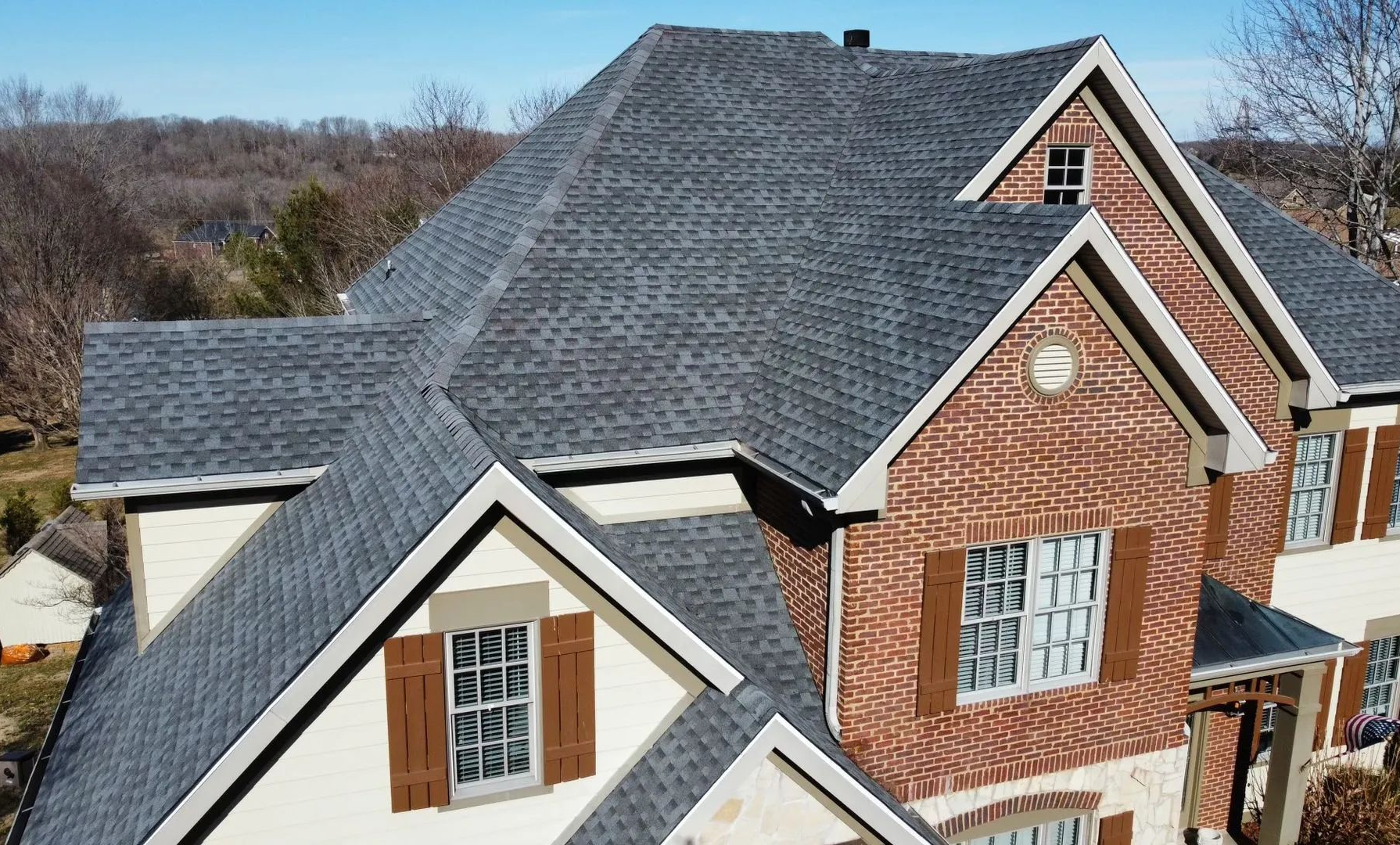
Architectural shingles, sometimes called dimensional shingles, are thicker and built from layered material. They typically last about 20 to 30 years, and they resist wind uplift better because the added mass holds the roof down.
Premium and impact rated shingles sit at the top of the line. Their design aims to handle harder hail and stronger wind, and the best of them can push past the architectural range when everything else about the roof is done right.
Those ranges describe a roof that was installed correctly, ventilated properly, and not hit by a major storm. Take any of those three conditions away and the clock speeds up. Kentucky roofing contractors who write about this locally report the same pattern we see in the field: Louisville area guidance puts typical roofs somewhere between 15 and 25 years, and the quality of upkeep decides where in that span a roof lands.
What Shingles Are Actually Made Of, and Why It Matters
A shingle is a fiberglass mat soaked in asphalt and topped with ceramic coated granules. The asphalt does the waterproofing. The granules protect the asphalt from the sun. Once granules wash away in large patches, ultraviolet light starts cooking the asphalt, and the shingle dries out, cracks, and stops shedding water.
That is why granule loss is the single most honest sign of age. A handful of granules in the gutter after a new roof goes on is normal. A steady stream of sandy grit at the downspout on a roof that is 15 or 20 years old is the roof telling you the protective layer is running out.
Heat speeds this up. A roof on the south or west side of a house takes far more direct sun than the north side, and it ages faster. Two slopes on the same house can be years apart in condition, which is why we judge each plane separately instead of treating the whole roof as one number.
Attic Airflow: The Quiet Lifespan Factor
If we could change one thing about the roofs we replace, it would be attic ventilation. A shingle gets baked from above by the sun and from below by a hot attic. In a Kentucky July, a poorly vented attic can run far hotter than the air outside, and that trapped heat bakes the underside of the decking and the shingles resting on it.
Regional roofing contractors report that a roof designed for 25 years can wear out in roughly half that when the attic holds heat and humidity. Moisture is the second problem. Warm, damp air that cannot escape condenses on cold decking in winter, and over several seasons that leads to soft wood, mold, and rusted nails.
A balanced system has intake vents low at the soffits and exhaust vents high near the ridge, so air enters at the bottom and leaves at the top. A common industry guideline is about one square foot of vent area for every 300 square feet of attic floor, split between intake and exhaust. We check this on every inspection because we find it out of balance more often than almost any other detail. Bathroom fans that dump into the attic, blocked soffits packed with insulation, and a ridge vent that was never cut open all show up regularly in our area.
TIP: On a warm afternoon, step into your attic and notice the air. If it feels like a closed oven, smells musty, or you see frost or dampness on the underside of the decking in winter, the roof is not breathing the way it should, and the shingles above are paying for it.
Installation Quality Sets the Starting Line
Even a premium shingle will fail early when it is installed poorly. The failures we see most often are not dramatic. They are small things done wrong that add up over a decade.
Nailing Pattern And Nail Depth
Proper nail placement matters. Nails missing reinforced strips or driven too deeply can weaken shingles, allowing wind to lift them.
Flashing At Walls, Chimneys, Valleys, And Pipe Penetrations
Flashing protects vulnerable roof intersections. Poorly sealed, rusted, or reused flashing commonly causes leaks and can shorten an otherwise durable roof.
Underlayment And Ice Protection At The Eaves
Underlayment provides critical protection when wind-driven rain gets beneath shingles. Proper edge protection helps prevent moisture from reaching roof decking.
Decking Preparation
Shingles installed over damaged sheathing can reveal underlying flaws. Replacing soft or warped decking creates a solid surface for proper installation.
This is where credentials matter to a homeowner. GAF Master Elite certification is held by fewer than 2 percent of roofing contractors, and it comes with a lifetime warranty on materials and labor that depends on installation done to the manufacturer's standard. Certification does not guarantee a roof will last, but it does mean the installation is held to a documented standard instead of whatever one crew decided on a given day.
How Our Weather Wears On a Roof
Climate is the part of this topic that generic national advice misses. Hopkinsville and the surrounding counties sit in a humid, stormy stretch of the country, and each season puts a different kind of stress on shingles.
Spring Brings The Heaviest Rain
Spring brings heavy rain and thunderstorms, with wind and hail. Weak shingle seals or lifted tabs can become vulnerable when severe weather arrives.
Summer Brings Heat And Humidity
Summer brings heat and humidity. High temperatures soften asphalt, accelerate granule loss, and encourage algae growth, especially across shaded roof slopes.
Fall And Winter Bring Freeze And Thaw Cycles
Freeze and thaw cycles can worsen small roof openings. Water freezes, expands, and widens cracks, turning minor damage into leaks during winter.
Tornado Season Adds A Different Risk
Western Kentucky experiences severe storms and tornadoes. Even without direct impacts, hail and wind-driven debris can damage shingles in ways unseen from ground level.
Hail deserves its own mention. A hailstone does not need to punch a hole to do harm. It can knock granules loose and fracture the fiberglass mat beneath the surface, and that bruise ages the shingle years ahead of schedule. The leak that shows up 14 months later is often traced back to the storm everyone forgot.
Other Things That Shorten a Roof
Beyond ventilation, installation, and weather, several local conditions chip away at shingle life.
Overhanging Trees
Overhanging branches scrape granules, drop limbs, and keep roof slopes damp. Leaves and needles collect in valleys, holding moisture against shingles and accelerating wear.
Moss And Algae
Dark algae streaks are mostly cosmetic, but moss holds moisture against shingles and can lift edges. North-facing slopes often experience earlier moss-related wear.
Low Pitch And Complex Rooflines
Low-pitched roofs shed water more slowly. Valleys, dormers, and wall intersections create additional areas where water can enter when installation or flashing fails.
Foot Traffic And Rooftop Equipment
Technicians, satellite dishes, and antennas can damage shingles through repeated foot traffic. Scuffed granules and cracked shingles may remain difficult to notice from ground level.
Gutters That Overflow
Clogged or undersized gutters allow water to back beneath lower shingles and reach fascia or decking. Poor drainage can quietly accelerate deterioration along roof edges.
WARNING: Do not climb onto an older shingle roof to check it yourself, especially after rain, in early morning dew, or after a storm. Aged shingles can be slick and brittle, and soft decking can give way underfoot. Use binoculars from the ground and leave the climb to a trained crew.
Signs Your Shingles Are Nearing the End
You do not need to be a roofer to spot the late stage of a shingle roof. These are the signs that point toward the end of its service life.
Curling Or Cupping Edges
Curling or cupping edges mean shingles no longer lie flat. Broken seals allow wind and water underneath, increasing the likelihood of leaks and damage.
Cracking Across The Surface
Branching cracks across shingles indicate dried asphalt that has lost flexibility. As cracks spread, the roofing becomes increasingly vulnerable to weather and moisture intrusion.
Heavy Granule Loss And Bare Patches
Heavy granule loss exposes darker asphalt beneath the surface. Finding excessive grit in gutters or widespread bare patches can indicate significant shingle deterioration.
Shingles That Have Blown Off Or Lifted Repeatedly
Repeatedly lifted or missing shingles indicate weakened roof adhesion. One missing shingle may need repair, while recurring losses suggest broader roofing problems requiring attention.
Stains In Ceilings Or On Attic Wood
Ceiling or attic stains can indicate leaks. One isolated stain may involve flashing, while multiple stains across rooms can suggest broader roof deterioration.
Daylight In The Attic
Visible daylight through attic roof boards indicates openings in the roofing assembly. If light enters, water may also find pathways inside during rain.
When several of these show up together on a roof that is already in the second half of its expected life, a replacement conversation is usually closer than a repair one. Our companion guide on repair versus replacement walks through that decision in more detail.
What Extends a Roof's Life
The good news is that most of the factors above are within a homeowner's reach. A few habits make a real difference over the years.
Schedule A Yearly Inspection
Schedule yearly inspections and check the roof after major storms. Finding lifted shingles or flashing failures early keeps repairs simpler and prevents larger problems.
Keep Gutters Clear And Downspouts Flowing
Keep gutters clear and downspouts flowing freely. Proper drainage moves water away from the roof edge, protecting fascia, decking, siding, and surrounding areas.
Trim Branches Back From The Roofline
Trim branches away from the roofline. Proper clearance reduces scraping, shade, and debris while lowering the chance of storm-damaged limbs falling onto the roof.
Fix Ventilation Problems During Roofing Work
Address ventilation issues during roofing projects. Replacing a roof provides convenient access to decking, making it easier to improve intake and exhaust ventilation simultaneously.
Address Small Repairs Quickly
Handle minor repairs promptly. Replacing ridge caps or resealing pipe boots is routine maintenance, while delaying repairs can allow moisture to damage insulation and ceilings.
Look At The Whole Exterior Together
Inspect the roof, gutters, siding, and decks together. Storm damage affecting one area can impact others, so addressing related problems together helps prevent repeated work.
Reading Your Own Roof's Age Honestly
Calendar age is a starting point, not a verdict. A 12 year old three tab roof on a hot south slope with poor attic airflow may be nearer the end than a 20 year old architectural roof on a well vented house with shade on the right side. When we inspect, we look at the oldest and most exposed slope first because it usually sets the pace for the rest.
If you do not know how old your roof is, a few clues help. Look at the date on the original paperwork if you bought the home with a recent roof, check for layers at an exposed edge, and ask neighbors with matching homes built in the same year. A roofer can often estimate age from granule condition and surface wear in a single visit.
Frequently Asked Questions
Does a roof warranty mean my shingles will last that long?
Not on its own. A warranty describes what the manufacturer or installer covers, often with conditions tied to installation and upkeep. Real lifespan depends on ventilation, weather, and workmanship.
Why did my neighbor's roof last longer than mine on the same street?
Small differences add up. Sun exposure, tree cover, attic airflow, installer, and which rooftop a hailstorm hit harder can separate similar homes, and slope direction alone can shift wear by years.
Can I make an old shingle roof last a few more years?
Sometimes. If the decking is sound and damage is isolated, repairs and ventilation fixes can extend service. Brittle shingles, widespread granule loss, or soft decking mean repairs only delay replacement.
Do metal roofs last longer than asphalt shingles in this region?
Metal generally lasts longer than asphalt and handles hail and wind differently. We install both systems, and the better fit depends on the home, the roof shape, and your goals.
How often should a shingle roof be inspected?
Once a year works well, plus an extra look after hail, high wind, or a tornado warning in your area. Spring and fall suit best, before and after the harshest seasons.
Does one hailstorm shorten the life of the whole roof?
It can. Hail bruising weakens the shingle mat even when nothing looks broken, and leaks or granule loss may appear months later. A post storm inspection documents the damage while evidence is fresh.
Reading Your Roof Before It Starts Failing
A roof does not announce the day it gives out. It wears down slowly under sun, rain, wind, and winter, and calendar age is only a starting point. Ventilation, installation quality, storm history, and tree cover all decide how many good years remain. Owners who look up early, keep gutters clear, and address small repairs tend to see far more from their shingles. A roof that is understood is a roof that rarely surprises anyone.
For 15+ years, Alliance Roof and Fence
has worked on
shingle roofs
in Hopkinsville, KY, and across western Kentucky and middle Tennessee, and the same pattern keeps appearing. Roofs that reach their full range are usually the ones that were installed to a clear standard and watched over time. Hail, heat, and freeze and thaw cycles reward attention more than luck. A steady habit of checking the roof each year can add seasons of dependable shelter for the home beneath it.